Incident management stories
Reco said record-triggered AI agents in ServiceNow and Salesforce can inherit the wrong user, creating access risks for support and sales workflows.
The new system is designed to help building operators cut nuisance alarms and manage more complex sites with fewer skilled staff.
Building operators could gain conversational AI tools and alarm support as Honeywell expands software across fire, security and energy systems.
Australian and New Zealand businesses will gain access to mission critical push-to-talk tools as National Wireless takes Mobile Tornado's platform to market.
The software aims to cut downtime and boost output for operators of massive GPU clusters by turning event storms into likely root causes.
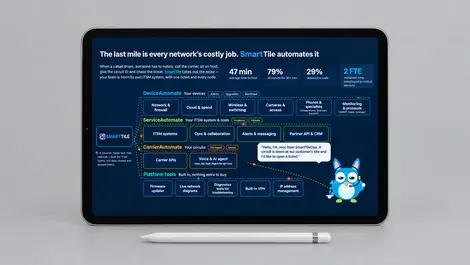
Australian and New Zealand customers will gain early access to AI tools designed to speed incident response and cut service disruption costs.
Rising AI coding spend is pushing engineering teams to tackle review delays and release bottlenecks, as LinearB adds a new context layer.
The partnership gives small and mid-sized Italian firms another bundled cyber option as tighter EU rules push demand for simpler security tools.
Customers should see faster outage triage, as Freshworks folds Robusta Dev's AI incident analysis into Freshservice and FireHydrant.
Fire departments are adopting connected monitors faster, with Blackline saying its fire-hazmat customer base has risen 42% to more than 500 worldwide.
Lower inference costs could let engineers run automated incident checks more often, as Datadog tests Scout 1.0 on real production alerts.
The rollout could save about 1,500 frontline staff time by putting approved policies and procedures at their fingertips across Sunnyfield's services.
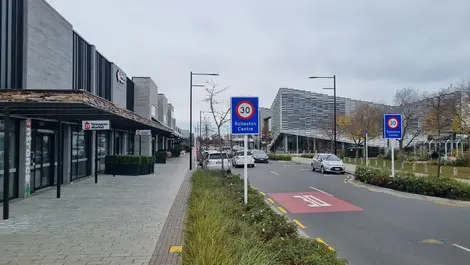
Residents in central Rolleston were left without water for almost eight hours after a 30-year-old main burst, prompting a review of Selwyn Water's response.
IT buyers may find consolidation easier as LogicMonitor folds Edwin AI and digital experience monitoring into every platform tier.
The UK managed services provider cut average incident resolution times from 89 hours to 50, while keeping service levels above 97% during the rollout.
Early users say the platform cut average ticket resolution to 17.4 hours from 33.3 hours, easing manual outage work for IT teams.
By consolidating support across 24 sites, the agency has cut supplier complexity and bolstered the resilience of systems behind search and rescue operations.
The tie-up aims to fix a long-standing data gap in IT operations, giving service teams richer context to speed incident handling and cut risk.
The update is designed to help engineers trace faults from infrastructure issues to affected services and customers, cutting time to resolution.
Teams can now monitor AI agents and let them flag anomalies, diagnose issues and draft fixes as Grafana expands its cloud tools.