Digital Identity stories
Most fake hires are exposed only after getting system access, leaving companies vulnerable for days and often weeks before a fraud is spotted.
Financial firms accounted for 41.6% of verified mobile activity in the first half of 2026, as numbers became central to banking and account recovery.
The appointment comes as firms race to secure autonomous AI agents that can access systems and physical infrastructure without human oversight.
Encrypted data exchanges in smart transport can now run far faster on Intel chips, easing a key barrier to edge AI deployment.
The upgrade lets inspection robots reach critical plant assets behind locked doors, cutting manual work while keeping security and fire controls intact.
It aims to cut repeated verification checks and let businesses trust AI agents without collecting the same personal documents from users each time.
A surge in non-human identities is leaving businesses more exposed, with privileged access risks now stretching beyond staff to AI agents and machine accounts.
The link should cut manual offboarding and audit work for security teams by tying SailPoint approvals directly to Keeper-managed privileges.
Businesses face rising losses as the new model cuts false positives by more than 80% and adapts scoring as fraud tactics shift.
Most consumers surveyed across six European markets would accept longer bank checks if that meant a lower chance of fraud, Fourthline found.
ChatGPT Plus and Pro users can now share their subscription allowances across partner software, cutting setup steps and password clutter.
Businesses can now verify mobile numbers without SMS codes, reducing friction and exposure as regulators tighten rules on text-based authentication.
Mac developers using autonomous agents now get a free beta tool that blocks risky actions before tools, files or credentials are exposed.
Fraud teams may be better able to link fake accounts as SEON adds more than 1,100 data points across identity, device and session checks.
AI agents could soon handle shopping, payments and support in the background, forcing businesses to strengthen trust as screens fade from view.
Ping Identity has launched three identity agents that let employees and administrators manage identity tasks through Google Cloud Gemini Enterprise.
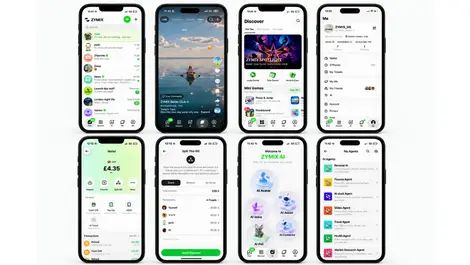
It aims to cut app switching for British users by linking messaging, events, social content and peer-to-peer payments in one place.
AI shopping is already mainstream in Singapore, but only 29% of consumers are willing to let it complete a purchase for them.
The app aims to cut the need for Gen Z users to juggle separate services, as UK adults now use 41 apps a month on average.
Enterprises could gain a way to revoke an AI agent's authority and audit its actions as DigiCert ties identity controls to NVIDIA's platform.