Access Control stories
As AI agents gain wider access to company systems, Palo Alto Networks is adding controls to curb prompt injection, leaks and excess permissions.
It aims to curb credential sprawl and reduce the risk of compromised AI agents using persistent secrets to move across enterprise systems.
One in three large Asia Pacific enterprises will struggle to govern shadow AI agents as staff-built tools outpace internal controls, Forrester says.
Poor data can undermine compliance, fraud detection and reporting, making strong governance essential for banks handling sensitive customer records.
The new tools aim to give AI systems a governed, real-time view of business data without moving it into separate databases.
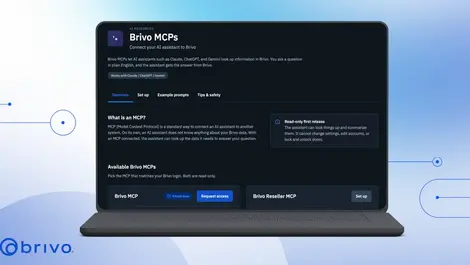
The read-only release lets resellers query account data in Claude, ChatGPT and Gemini, speeding support and renewal work across customer sites.
The tool is meant to ease board and regulator concerns by giving lenders audit trails, approvals and user controls for AI agents.
Security teams can now prioritise AI agent exposures by linking permissions to sensitive data across business systems, Reco said.
The new tool aims to speed legal and regulatory casework while preserving a traceable record of each AI-generated answer for scrutiny.
Enterprises deploying autonomous AI agents may gain tighter safeguards as the two firms add runtime controls, governed inference and day-zero hardware support.
The new controls aim to curb AI agents' machine-speed access to company systems as research shows they can trigger thousands of endpoint actions.
Roughly one in five organisations have already suffered a breach tied to unapproved AI connections, as visibility lags behind spending plans.
Consumer trust is lagging behind AI rollouts in Europe, where fewer than one in five organisations are on schedule with transformation work.
The tests suggest autonomous agents can be stopped from crossing authority limits, with seven unauthorised actions blocked and receipts kept for approved ones.
The recognition underscores growing demand for cloud-native tools that can govern human, machine and AI access to sensitive systems.
The update lets administrators investigate faults on Windows and macOS devices without taking over users' screens, reducing disruption during support work.
Forensic and compliance teams can now trace AI-generated answers back to source documents, a safeguard aimed at court and regulator scrutiny.
The recognition highlights rising concern over AI agents acting without oversight and the API exposure they can create across business systems.
The staffing firm is tightening onboarding after cases emerged of consultants arriving on client sites under false identities.
Lost access controls are leaving sensitive company systems open long after staff depart, with 64% of ex-employees still able to view data.