

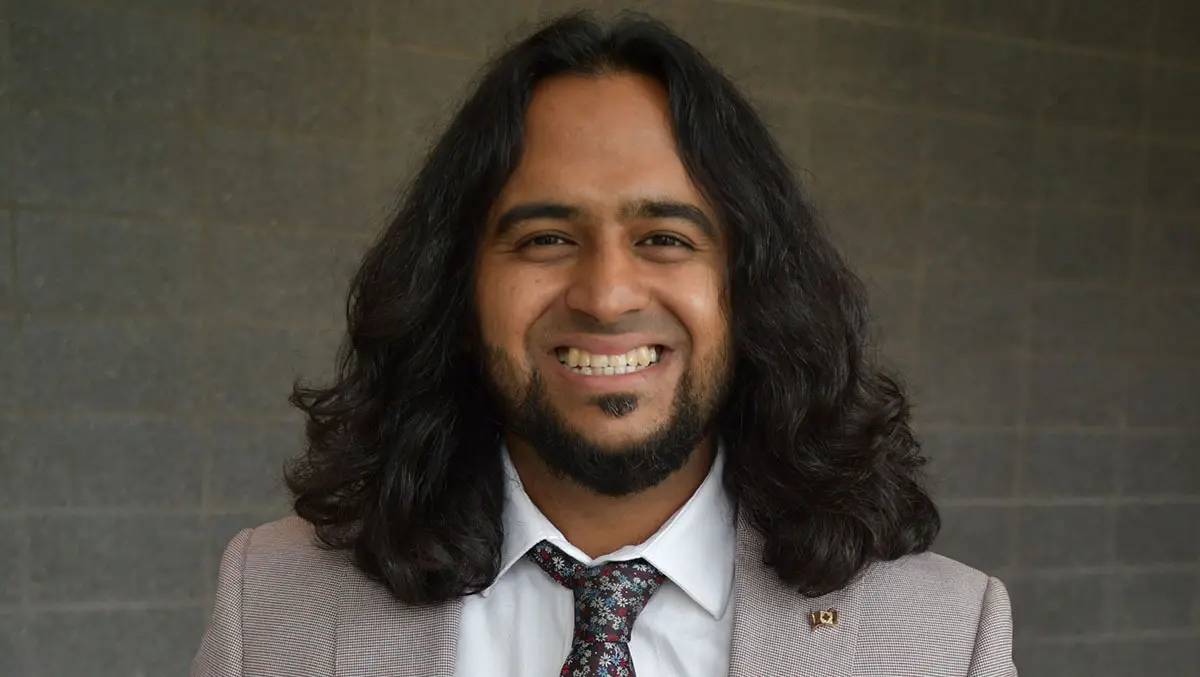
University of Toronto Mississauga tests tech-free classes
Thu, 14th May 2026
University of Toronto Mississauga has found strong student support for some tech-free language arts classes after a pilot project, prompting curriculum changes in a group of language and writing studies courses.
The pilot involved two classes taught by Dr. Mustafa Siddiqui, assistant professor at the U of T Mississauga Institute for the Study of University Pedagogy, with 40 students taking part. After what he called a "Back to the 90s" class, 80% of students surveyed said they would be open to removing technology from up to a quarter of classes in a semester-long course.
Students linked the screen-free setting to fewer distractions, stronger focus and a better grasp of concepts. Survey results from the two classes showed that 87% interacted more with peers, 83% paid closer attention to class discussions and 70% found handwritten notes helped them process ideas more effectively.
Nearly two-thirds, or 63%, felt more focused without screens, while 60% said the setting helped them understand course material better. The feedback has led a group of language and writing studies professors at the campus to plan occasional tech-free classes in the next academic year as part of a wider study.
Classroom trial
The idea emerged from concerns about how students were approaching writing tasks in the age of artificial intelligence. Siddiqui said he had noticed repetition in student work and less originality in both topic selection and writing style.
"In today's world where students rely on their technological devices and artificial intelligence (AI), the feedback was both unexpected and refreshing," said Siddiqui.
He had also observed weaker attention in class and less interaction among students, with some using phones and laptops for unrelated activities during lessons. In response, he introduced a technology-free session designed to encourage students to generate ideas without digital tools and engage more directly with one another.
The classes were deliberately styled around an earlier era of study. Students used pens, paper and notebooks, while Siddiqui brought printed books and photocopied materials and wrote on a whiteboard instead of using slides.
Objects including a Sony Discman, newspapers, analogue watches and glass Coke bottles were placed around the room. Many students also chose to wear 1990s-inspired clothing.
"After the AI boom, I noticed that ideas were repeating, with many students choosing similar topics for assignments and writing essays in a similar fashion, to the point that their creativity and uniqueness in writing style and content were vanishing," Siddiqui said.
One of his observations during the session was that students began writing by hand as soon as the class started.
"The moment I started talking, I saw students taking out their paper, notebooks, pencils and pens," Siddiqui said. "It was the first time this happened in my class and I was elated."
AI and writing
The experiment also changed how Siddiqui viewed mistakes made in class. Student creativity and engagement appeared to rise in the technology-free setting, he said, and he welcomed the fact that students made more errors because they then had to work through and correct them.
"When using AI, many students tend to check their responses before handing in assignments," he said. "Without technology, most students performed better, and once they corrected their work themselves, they seemed to better understand concepts and tasks."
He does not believe artificial intelligence has no role in writing and language arts teaching. Instead, he sees it as better suited to proofreading once a piece of work has been completed than to generating ideas or providing writing support at the outset.
The pilot also included an accommodation for students with accessibility needs. Those registered with the university's accessibility service were allowed to continue using their devices during the exercise. Siddiqui will be presenting the results of the pilot study at next month's Big Thinking Summit in Edmonton.
The findings come at a time of wider concern in higher education over the effects of artificial intelligence on learning, originality and assessment. Universities in Canada and elsewhere have been reviewing classroom practices as staff weigh the convenience of digital tools against concerns about distraction, over-reliance and the quality of student thinking.
At U of T Mississauga, the next step will be to test whether occasional screen-free classes can be integrated into more courses without excluding students who depend on technology for access. For now, the clearest result from the pilot is that a large majority of those surveyed would accept less technology in at least some of their classes.