

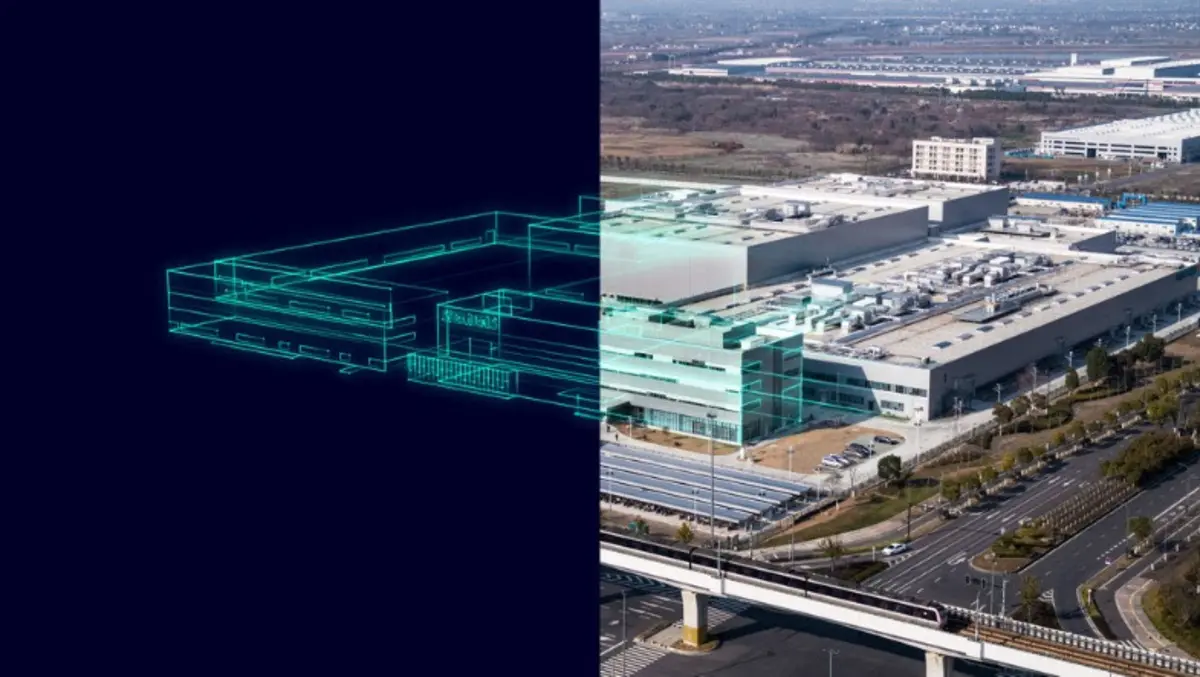
Siemens' Nanjing plant named WEF Global Lighthouse
Fri, 16th Jan 2026
Siemens' manufacturing site in Nanjing has joined the World Economic Forum's Global Lighthouse Network, after the Forum named the facility a Global Lighthouse Factory in the productivity category.
The World Economic Forum cited the plant's performance in cost and quality. It linked the results to the use of digital twins and a programme of AI-led changes to operations.
The Nanjing plant becomes the fifth Siemens manufacturing site in the network. Other Siemens sites in the network include Amberg, Erlangen and Fürth in Germany, and Chengdu in China.
Digital-native site
Siemens describes the Nanjing facility as a "digital-native factory". The company said it planned and simulated the factory and its production processes digitally before construction started.
"We call our Nanjing facility a 'digital-native factory.' It was designed, tested, and optimized entirely in the virtual world before a single brick was laid. This approach not only enabled us to construct the factory faster and with outstanding cost-efficiency but also to build it under the toughest pandemic conditions. By combining our global manufacturing expertise with local insight and a digital-first mindset, we continuously optimize every part of the operation, making it one of the most efficient and flexible factories in the world," said Cedrik Neike, Member of the Managing Board of Siemens AG and CEO Digital Industries, Siemens.
The Nanjing plant spans 73,000 square metres. Siemens said it is its largest research and production centre outside Germany for CNC systems, drives and electric motors.
Operational pressures
Siemens said the factory reworked production processes after shifts in demand and fulfilment expectations. The company reported a growing mix of customer orders. It said this required changes to production line configurations every four weeks.
Siemens also said delivery windows narrowed. The company described a shift from 45 days to 10 days while demand fluctuated.
The World Economic Forum said its jury reviewed the site's continuous digital transformation. It also pointed to the use of AI applications at the plant.
Digital strategy
Siemens said it introduced a digital excellence strategy for what it described as high-variety, low-volume manufacturing. The company said the work included end-to-end digital twins, modular automation and manufacturing operations management systems.
Siemens also said it deployed more than 50 artificial intelligence applications at the site.
Against a 2022 baseline, Siemens reported a 78 percent reduction in lead times. It said time-to-market fell 33 percent. The company said productivity increased 14 percent by 2024.
Siemens also cited quality and sustainability metrics. It said field failures dropped 46 percent. It reported a 28 percent cut in direct and energy-related carbon emissions.
The World Economic Forum said the recognition also reflected improvements in asset utilisation, worker enablement and resource management.
Lighthouse network
The World Economic Forum launched the Global Lighthouse Network in 2018. The Forum said the network focuses on industrial sites that show performance gains in areas such as productivity, supply chain resilience, customer centricity, sustainability and talent.
Siemens has positioned the Nanjing factory as a reference site for its approach to digitally planned manufacturing. The company said it used virtual planning and simulation as a basis for optimisation ahead of construction.
The company said it expects further changes at the Nanjing site as it continues its programme of digital transformation and the roll-out of AI applications across factory operations.