

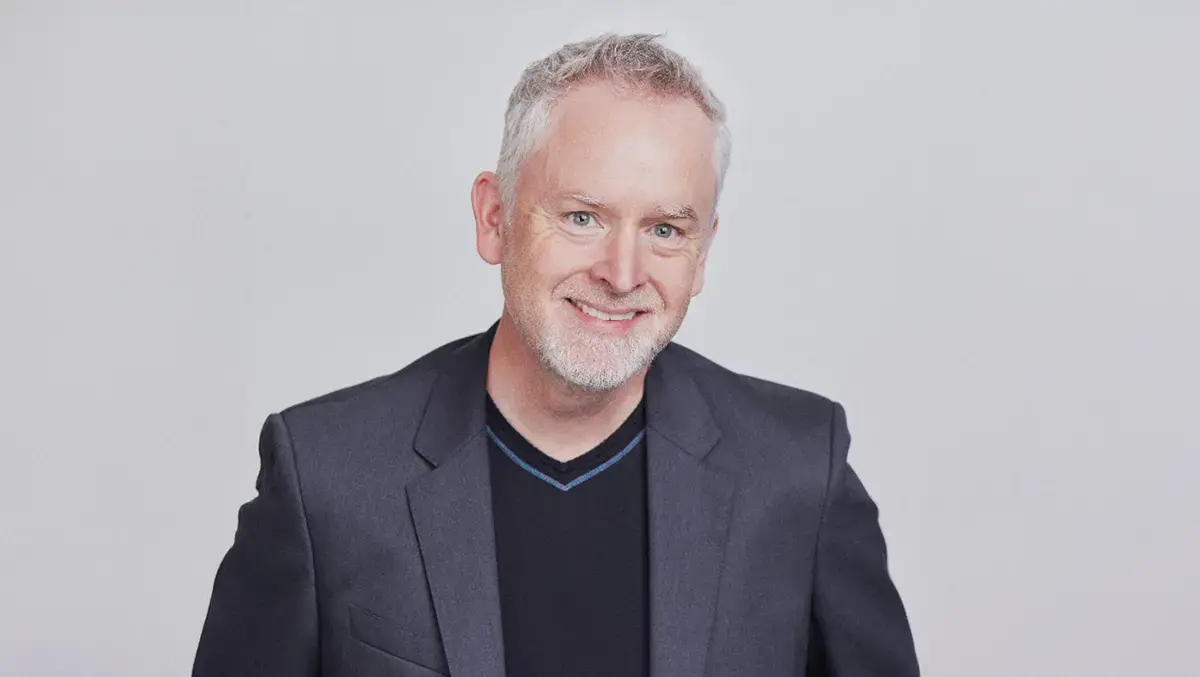
Sage CTO urges CFOs to demand transparent finance AI
Wed, 17th Dec 2025
Sage's Chief Technology Officer Aaron Harris has set out a series of predictions on how artificial intelligence will reshape finance functions, software and leadership roles in accounting firms by 2026.
Harris said finance leaders will face mounting pressure over the behaviour and reliability of AI systems that now influence everyday decisions.
He expects Chief Financial Officers to take a more direct role in overseeing AI in their organisations. He said they will face questions about the quality of data, the soundness of recommendations and whether outputs support business goals.
Harris said multiple forces are driving this shift. He cited the rising number of AI-generated decisions, closer regulatory scrutiny and the concentration of risk in systems that learn faster than human teams can review.
He said finance leaders will not be able to rely on what he described as "blind trust" in automated systems. He said the tolerance for error in finance is low.
"Finance leaders simply won't be able to rely on blind trust, because in finance, 'almost right' is wrong. CFOs will expect AI to earn trust the same way their teams do: by showing how it got there," said Aaron Harris, Chief Technology Officer, Sage.
Harris said CFOs will demand more transparency from AI models. He said they will want insight into why a model reached a recommendation, whether underlying data stands up to scrutiny and how reliably decisions can be traced and audited.
He said this understanding will let CFOs act faster and reduce manual oversight. He said AI will gain a secure place in finance once its decisions can be explained, examined and relied upon.
SaaS for agents
Harris also predicted a redesign of software-as-a-service products for finance. He said systems are being rebuilt for environments where work is handled by both people and intelligent agents.
He said AI agents will take on more of the execution layer in finance. They will depend on software for structure and control. He said software will need to provide guardrails and consistency so that tasks complete in a controlled and auditable way.
Harris said this shift will change how finance teams feel the impact of technology. He said agents will run multi-step processes more quickly, with fewer errors and less friction across routine work.
He said this is the beginning of a new generation of software that serves humans and intelligent agents. In his view, that will allow accountants to spend less time processing data. He expects them to spend more time applying judgement and shaping decisions.
Proof of trust
Harris said demands for AI transparency will be especially strong in accounting. He argued that finance relies on binary outcomes where numbers are either correct or not.
He said broad claims about "responsible AI" will no longer satisfy businesses. He expects clients and firms to ask how a model reached a recommendation, how its data is governed and whether its outputs can withstand an audit.
He said these features will sit at the baseline for using AI in financial workflows by 2026. He predicted that trust in AI will become something that firms can measure.
Harris expects a first wave of independent assurance applied to AI systems. He cited models that support reconciliation, forecasting and anomaly detection as early candidates.
He said some groundwork is already in place. He pointed to major accounting firms which have launched dedicated AI assurance services that examine data integrity, model governance and compliance.
Harris said AI that supports critical financial work will need to meet the same level of professional oversight as human teams.
"Trust won't be earned through vague promises or statements, it will be earned through evidence, because if a model is going to support financial decisions, it needs to be as transparent as a spreadsheet - and you should always be able to see how it got there," said Harris.
Data provenance focus
Harris also addressed the growing presence of AI-generated material online. He said a rising share of digital content is synthetic or influenced by AI.
He said this shift does not remove real information from the internet. It does make the signal harder to distinguish from the noise. For finance leaders, he said the key question will be whether information is trustworthy.
He predicted broader adoption of provenance frameworks. He described these as tools such as cryptographic signatures, secure metadata and open standards.
He said these frameworks will show where information came from, how it was handled and how it has changed over time. They will not only identify content. They will also indicate whether it is suitable for use in regulated settings.
Harris said provenance will matter in practical ways for accountants. As more workflows depend on AI-generated inputs, he expects firms to seek clear, verifiable indicators that data behind a decision is accurate, traceable and reliable.
He said the origin of data will become as important as the data itself in the next era of finance.
CTO role rises
Harris forecast a change in technology leadership inside accounting firms. He said intelligent systems will take more responsibility for running financial processes. Someone will need to guide how those systems behave.
He said the Chief Technology Officer role is best placed to lead that work. He acknowledged his own interest in that outcome. He said technology leaders have been preparing for this moment for a long time.
Harris expects technology leadership in many firms to move from a supporting role into a central, strategic one. He said leaders who treat technology as a source of innovation, rather than a stack of tools, will stand out.
He said firms that are ahead of the curve will spot where AI can simplify workflows, improve accuracy and open new advisory services. He said these leaders will also be responsible for giving teams the confidence and skills needed to work with intelligent systems.
Harris said trust in AI can grow quickly once teams see value in their first projects. He said confidence can then spread through an organisation.
"The firms that invest in this capability now - the leadership, the mindset and the skills - will move faster for clients, offer better advice and stand apart in a profession that's evolving quickly," said Harris.