

Ribbit is bringing autonomy to aircraft cargo in Canada
Thu, 27th Aug 2026
While San Francisco's streets may be overflowing with Waymo and Zoox carrying passengers, one Canadian company is taking advantage of cargo transport in the sky.
Ribbit, a Toronto-area startup founded by aerospace engineers Jeremy Wang and Carl Pigeon, retrofits aircraft with autonomy systems, bringing self-flying capability to small planes.
The idea took shape while the pair were PhD students at the University of Waterloo during the pandemic. Through the university's Velocity Incubator, they set out to build a cheaper, more efficient way to deliver cargo to remote communities.
"Seeing headlines of the issues with food security in the north, in particular the price of food, the lack of availability of food, the lack of fresh food in particular, the lack of choice that a lot of Northerners face, inspired us to think about how we could improve transportation in remote places like Northern Canada, but also elsewhere, like Australia, Central Australia, Alaska, island nations," said Wang
Today, Ribbit retrofits aircraft ranging from two-seaters to six-seaters with expansion on the horizon. The work has gotten more sophisticated over time; Wang says the team now understands multiple small aircraft designs well enough to modify airframes to accommodate specialised sensors, including for airborne intelligence and surveillance.
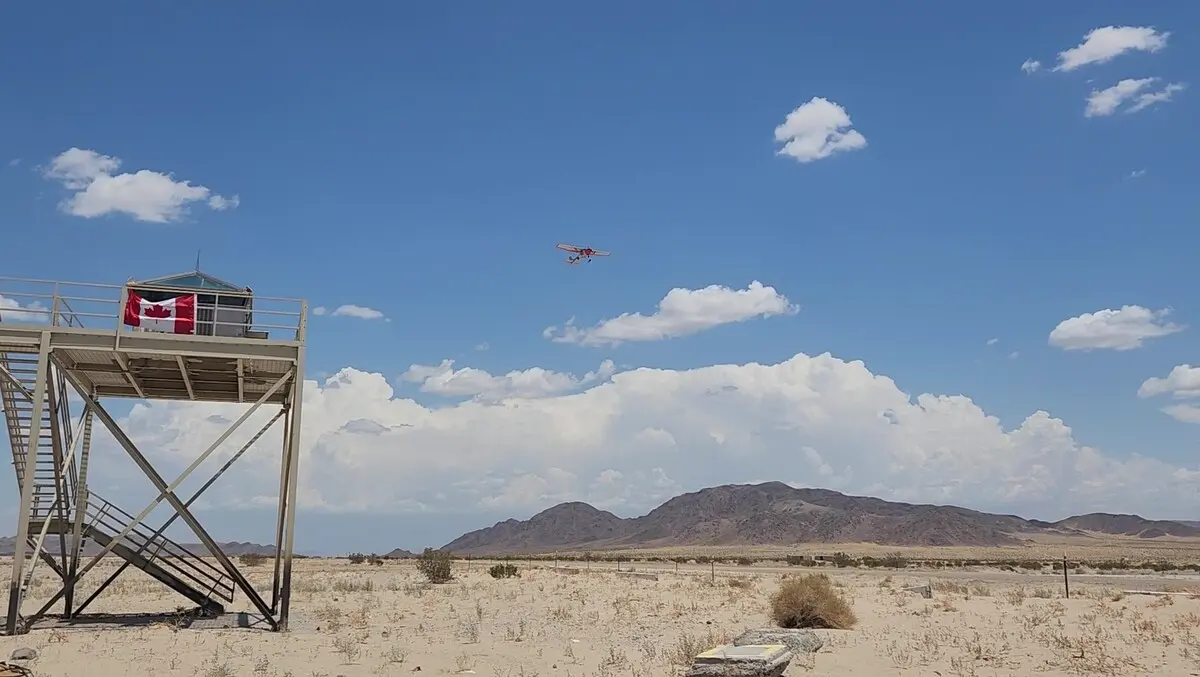
The company has completed test flights at its flight centre in Burlington, Ont., while also piloting options in the California desert and in Alberta, all of which were completed in daylight. With the mix of aircraft coming into play, flights with both an observer in the pilot seat and fully autonomous trips have been completed, said Wang.
The company's first hands-free flight came in 2021, about eighteen months after launch. The team took a two-seater, pulled one seat, and installed a prototype of their autonomy system in its place. The aircraft took off and landed at the same airport for that initial test, with Pigeon monitoring throughout.
Following early success, Ribbit secured CAD $1.3 million from Transport Canada in June 2023 to test and develop self-flying cargo aircraft for northern communities.
"We got to take our prototype aircraft to a bunch of different airports around the country, operate that aircraft under different weather conditions, and collect data to help Transport Canada think about the future of policy and regulation for this emerging technology area," said Wang.
That first federal contract was also verified through Transport Canada as the very first autonomous flight from gate to gate in the country. "We did a takeoff, 45 kilometre flight up in northern Ontario, landed, and then did that back and forth three round trips in total," Wang explained.
The company has worked with Transport Canada on several other projects in recent years. Currently, they are working with the National Research Council of Canada and the Department of National Defence to explore how autonomous technology and full-size autonomous aircraft can not only improve transportation in the north, but also make it more secure.
Wang said that last month, Ribbit took part in Project Convergence Capstone 6, a U.S. military-run exercise with the Five Eyes alliance. It featured a Ribbit autonomous Cessna aircraft-as Canada's first autonomous airplane flown under federal contract with a military callsign, according to Wang.
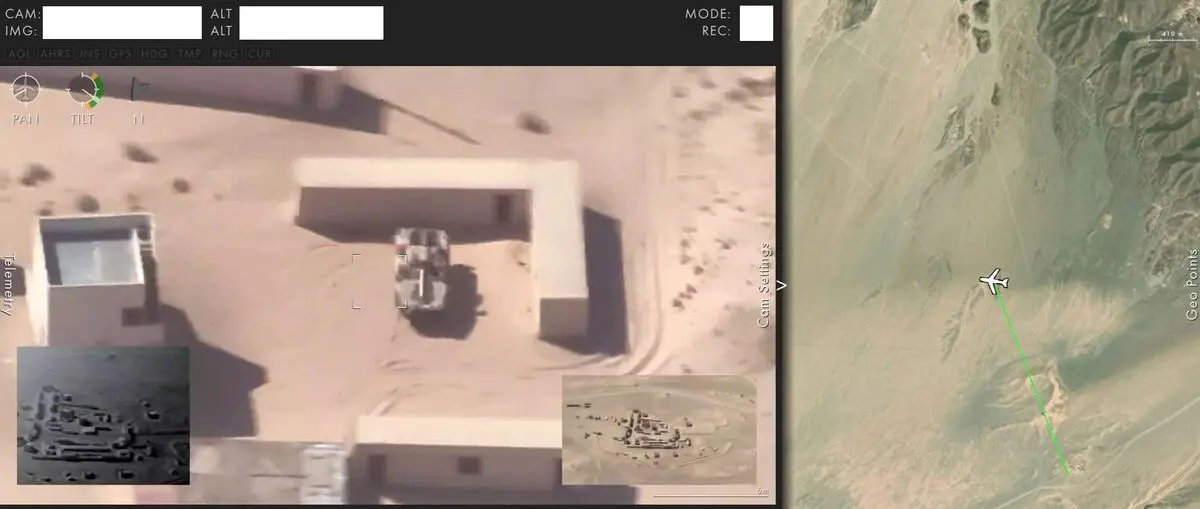
So what actually separates this technology from a souped-up autopilot? The answer, Wang explains, comes down to infrastructure. Traditional autopilot systems lean heavily on instrument landing systems - the radio beacons and ground equipment that guide a plane down to a runway. That kind of infrastructure is expensive, said Wang, and it simply doesn't exist at most remote airstrips.
Ribbit's system is built to work without it. Because all the sensing and navigation happens onboard the aircraft, the plane can take off and land on an unprepared dirt or gravel strip just as easily as a paved runway. The system also has to be far more resilient than a conventional autopilot when conditions turn rough.
A standard autopilot is designed to bail at the first sign of trouble - handing control back to the pilot the moment it hits turbulence or anything else outside its operating envelope. Ribbit doesn't have that luxury. With no pilot to hand off to, the technology has to hold up under exactly the kind of unpredictable weather and terrain that would make a normal autopilot give up, which is what makes true gate-to-gate autonomous flight possible.
The obvious comparison is self-driving cars, and Wang says there's real overlap, just not as much as people assume. The core problem is speed. A self-driving car can get away with LiDAR and cameras that map only a few hundred feet ahead, because it's rarely moving faster than highway speed. An aircraft cruising at 200 to 300 kilometres an hour needs to see much farther down the line of sight.
Ribbit builds its situational awareness from a mix of cameras, radar, and transponder technology such as ADS-B, a system that broadcasts an aircraft's position to air traffic control and other planes while also picking up broadcasts from them.
"Our goal with making air transportation available to everybody is it has to work in places that don't have that infrastructure. So if you're taking off and landing from a relatively unprepared dirt strip or gravel strip, our autonomy system still works because all the sensing and navigation is onboard the aircraft."