

One in three workers eye industry exit over AI fears
Fri, 19th Jun 2026.webp)
Research published by Adaptavist found that one in three knowledge workers are considering leaving their industry because of fears about artificial intelligence. The study covered 2,500 workers across the UK, US, Canada, Germany and Spain.
The report highlights wider unease among office-based professionals about how AI is changing work, with concerns ranging from job losses to the erosion of specialist expertise. It found that 54% of respondents believe AI will reduce the need for their role within the next five years, while 40% worry their current job could become entirely obsolete.
Those concerns appear to be shaping career decisions. A third of respondents said they were actively looking to move into a different industry because of AI, and 25% of that group were considering sectors seen as less exposed to automation, including manual work.
Younger workers were more likely to say they were weighing a change, with 41% of Gen Z respondents and 37% of Millennials contemplating a career move linked to anxiety about AI.
The findings suggest the pressure is not confined to entry-level roles, which have been at the centre of public debate about automation. The figures also point to risks for mid-level and senior positions, where employers may face disruption if experienced staff decide to leave.
Workplace strain
Beyond job security, the study found a broader sense of strain linked to the pace of AI adoption in workplaces. Nearly two in five respondents said they were struggling to keep up with the speed of change, while 48% felt overwhelmed by the volume of AI-related news and updates.
That pressure is affecting behaviour at work. According to the findings, 36% of workers said they were actively reducing their use of AI tools because of what the report described as AI fatigue.
The research also suggests many workers feel the spread of AI is changing how their skills are perceived. Some 46% said they were frustrated that tasks requiring years of specialist expertise can now be done by almost anyone using AI tools, and 23% said their expertise felt less valued by their organisation since AI became more widely adopted.
At the same time, many respondents said they were trying to adapt rather than withdraw. Nearly three quarters, or 74%, said they were actively learning new skills to remain relevant in their field.
Retirement plans
For some workers, AI is prompting thoughts of a more definitive exit from the labour market. The study found that 34% said it had made them think about retiring earlier than planned, while 11% said they intended to retire within the next 24 months.
That combination of retraining, career moves and early retirement points to a period of adjustment for employers introducing AI into day-to-day work. The report also found that 37% of workers were experiencing lower engagement, increasing the risk of employee turnover and knowledge loss.
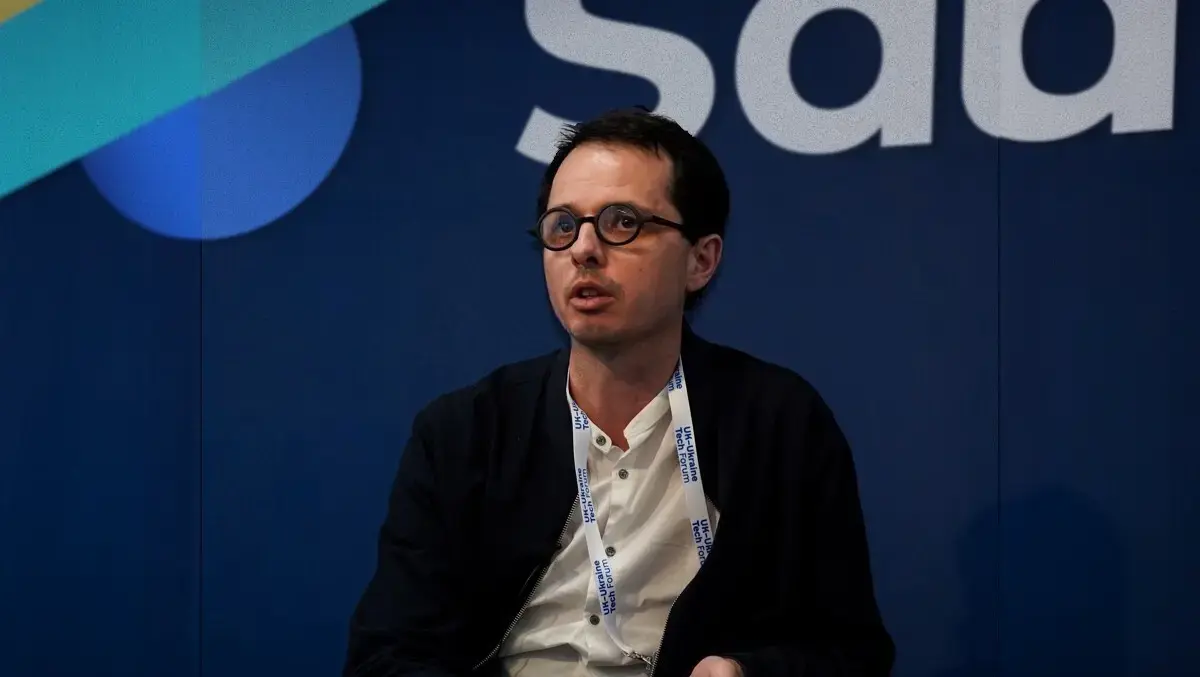
Neal Riley, Innovation lead at The Adaptavist Group, commented on the findings.
"This research shows that leaders can no longer afford to overlook the human impact of AI adoption. If introduced without clarity or support, AI risks undermining confidence in hard-earned skills and fuelling unnecessary fear about the future of work. However, when implemented thoughtfully and transparently, AI has the potential to enhance roles, not diminish them, freeing people from repetitive tasks and enabling them to focus on more meaningful, high-value work. The priority for organisations now should be ensuring employees are equipped with the right training, context and support to adapt. This isn't about replacing people, but about designing ways of working where technology strengthens both performance and job satisfaction," Riley said.
The survey was conducted by Attest and polled knowledge workers in five countries. It depicts a workforce trying to balance the promise of AI tools with concerns about displacement, workload and the value of human expertise.
Among the starkest findings was that 33% of knowledge workers are actively considering leaving their industry because of fears about AI.