

First films using Moonvalley tech expected in the next year
Thu, 9th Oct 2025
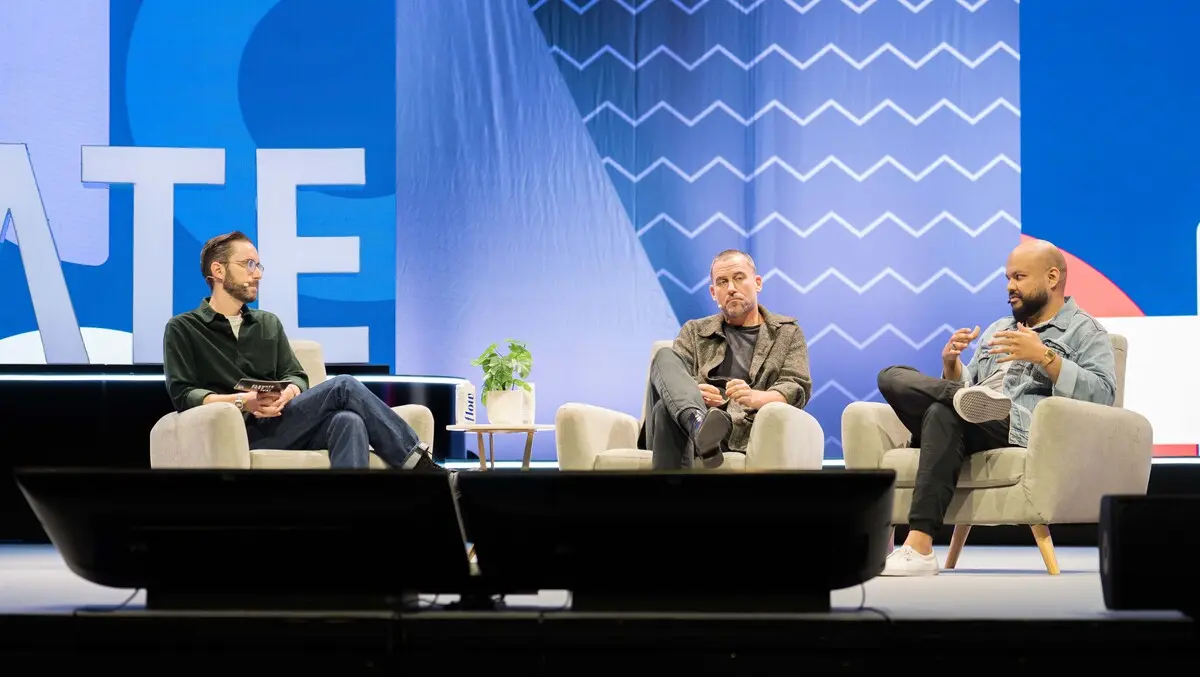
At Toronto's Elevate festival, Naeem Talukdar, CEO and Co-founder of Moonvalley, says the first major big-budget films using the visual intelligence research firm's technology will be released within the next 12 months.
In conversation with Bryn Mooser, CEO of Moonvalley's in-house production studio Asteria, the two showbiz innovators discussed the accelerated interest of Hollywood studios using Moonvalley's tech - the first fully licensed, commercially available AI model for the video production industry.
At Meridian Hall this week in downtown Toronto, the pair confirmed many major American studios are partnering with the company. However, they did not disclose which studios are currently using the software. Comcast Ventures, part of the NBC Universal family of companies, invested in Moonvalley earlier this year.
Last July, Moonvalley released Marey, a learning model capable of precision controls and complex VFX sequences while maintaining complete creative authority for filmmakers and studios. Among various key program features are camera control for creating a 3D atmosphere from an image, trajectory control, and shot extension for extending an original video.
The model was trained with all of its learned outputs derived from fully licensed materials. The company describes it as "No scraped content. No user submissions. No legal gray zones." Talukdar says this aspect of the tech is meant to empower filmmakers, not replace them.
When video creation using AI first emerged, Mooser noted that many players were scraping creators' content and looking to replace industry workers, rather than collaborating with artists to accelerate their work. He says that empowering industry workers is a core value of the company, and transparency is the key to its success in Hollywood.
Otherwise, the company would be selling filmmakers a product trained by scraping filmmaker content, says Talukday..
"Obviously one component of that is just legal safety and peace of mind - you know, not generating pixels that are copyright violating...But I think the biggest reason is so it's not a bunch of foreign people coming in and saying, 'forget everything you've been doing for the last 150 years' and having no real respect for the craft, no respect for the creator, and no respect for the industry."
According to Mooser, AI innovations are creating a window for democratisation in film. While traditional animation methods, for example, may take six to eight years to complete, the power of visual intelligence technology may enable the creation of more content while reducing video effects (VFX) times in the studio or for independent filmmakers operating on a smaller scale.
Mooser likened it to the distribution network YouTube provides for content creators or how a laptop enabled independent artists to record an album in their basement, stating that AI within film could enable people to become filmmakers who would not otherwise have the production capacity to publish content.
Throughout the conversation, the two leaders touched on a common misconception: they are trying to make text-promt-based films, and it's about augmenting imagery into existing workflows. Talukdar added that believing these technologies can replace filmmakers "is like believing an LLM can win the Pulitzer [Prize]." Ultimately, according to the Moonvalley CEO, "taste is fundamentally human."