

CloudCasa launches Kubernetes disaster recovery with HPE
Thu, 18th Jun 2026
CloudCasa has launched CloudCasa Disaster Recovery for Kubernetes, powered by HPE Alletra Storage MP B10000, extending its partnership with HPE.
The offering is designed for Kubernetes applications and KubeVirt virtual machines running across HPE infrastructure and hybrid cloud environments. It adds disaster recovery orchestration to CloudCasa's existing backup and recovery support for HPE Kubernetes Service clusters.
The product uses native replication in HPE Alletra Storage MP B10000 rather than backup restores. CloudCasa says this is intended to reduce data loss and shorten recovery times for organisations with strict recovery targets.
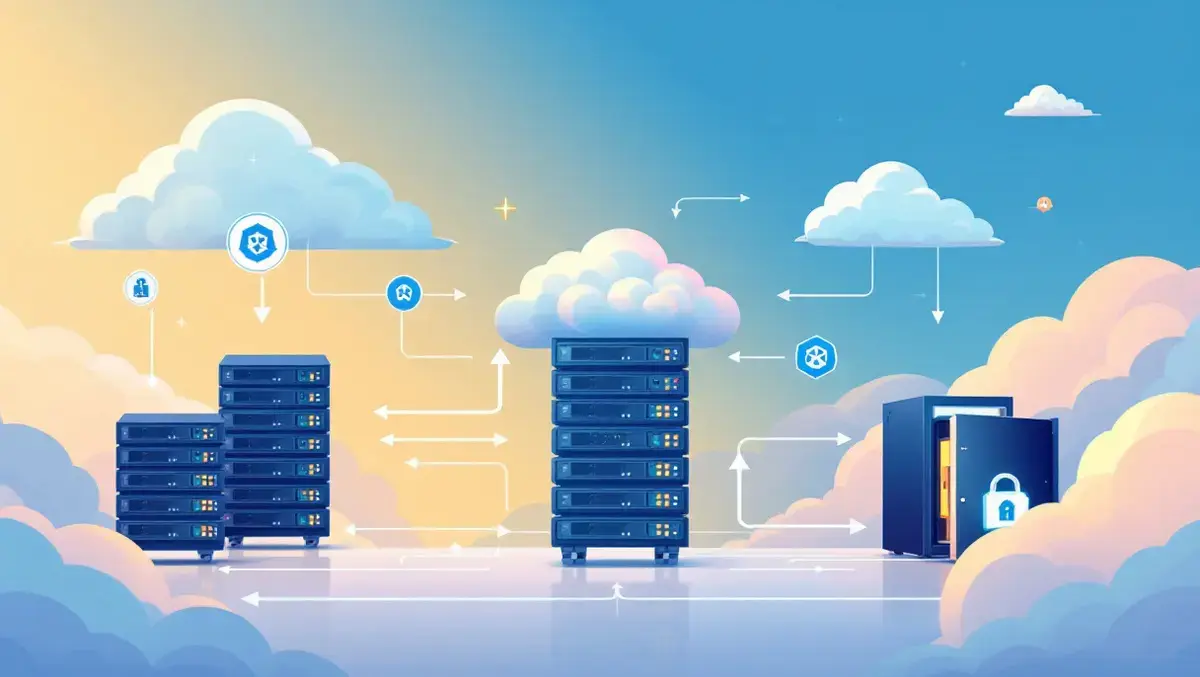
The service combines Kubernetes-aware orchestration with storage-array replication to automate failover and failback between clusters and sites. It supports bidirectional disaster recovery, namespace-level recovery, multi-tenant isolation and role-based access controls.
Protected workloads include Kubernetes applications and KubeVirt virtual machines, including deployments on Red Hat OpenShift Virtualization and SUSE Virtualization. Supported platforms include HPE Kubernetes Service, Red Hat OpenShift, SUSE Rancher and other Kubernetes environments.
Recovery focus
The launch reflects growing demand for disaster recovery tools built for containerised workloads rather than traditional backup-led recovery models. Kubernetes is now a common platform for business-critical applications, but disaster recovery across distributed clusters and hybrid environments remains operationally complex.
Many organisations rely on backup products to recover Kubernetes environments, but restoring large application estates from backups can take longer than recovery time objectives allow. By linking orchestration software with storage-level replication, vendors aim to speed recovery while preserving application consistency.
The release also broadens CloudCasa's work with HPE. Alongside backup and disaster recovery for Kubernetes workloads, customers can use HPE StoreOnce and HPE X10000 Object Storage as backup storage targets for retention.
Ryan Kaw, Vice President of Global Sales and Alliances at CloudCasa, outlined the target market in comments accompanying the launch. "Organisations running Kubernetes on HPE infrastructure need disaster recovery that meets enterprise RPO and RTO targets without the delay of full backup restores," he said.
He added: "By combining Kubernetes-aware orchestration with HPE Alletra Storage MP B10000 native replication, CloudCasa helps customers recover mission-critical applications and virtual machines in minutes across hybrid and multi-cluster environments."
Hybrid estates
The announcement points to a broader shift in infrastructure management as companies run applications across private cloud, public cloud and on-premise systems at the same time. Disaster recovery in these mixed environments often requires coordination across storage systems, virtual machines and Kubernetes clusters in different locations.
CloudCasa, backed by Catalogic, focuses on backup and disaster recovery for Kubernetes and modern application environments. Its platform also provides granular recovery, migration and ransomware resilience across public cloud, private cloud, hybrid and edge infrastructure.
The latest release places greater emphasis on operational continuity for stateful Kubernetes workloads and virtual machines managed through Kubernetes frameworks. This is an area where businesses have been looking for tools that can cover containers and virtualised workloads in a single recovery workflow.
The use of namespace-level recovery and tenant isolation suggests the product is aimed not only at large enterprises, but also at service providers and internal platform teams managing multiple application groups on shared infrastructure. Role-based controls may also matter for companies that need to separate operational responsibilities across teams.
CloudCasa says the combined approach gives customers a single strategy for backup, recovery and disaster recovery of Kubernetes workloads across HPE and hybrid cloud environments.