

Canada will use AI to enhance mineral exploration in NWT
Wed, 16th Jul 2025
The Government of Canada and the Government of the Northwest Territories announced a working partnership to advance geoscience research using AI. They say that by utilising digital scanning technologies and drill cores enhanced with AI, Canada will become a global leader in mineral resource development.
Under this joint initiative, both governments are launching a pilot project to scan, digitise, and analyse drill cores held by the Northwest Territories Geological Survey. Utilising advanced technologies, the project seeks to identify new areas in the region with high potential for critical minerals. The program will be scanning for possible lithium, copper, cobalt, and rare earth element deposits within the territory.
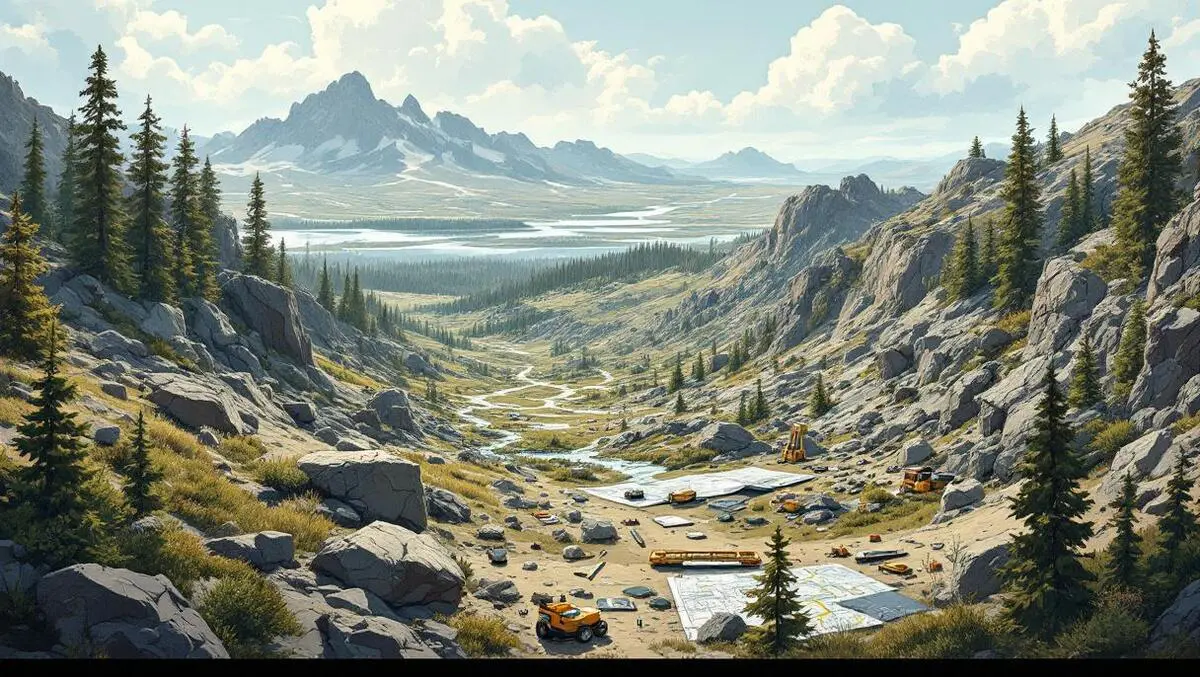
The pilot will be centred on the Slave Geological Province in the Northwest Territories, which is known to have significant mineral exploration prospects. This area comprises both past-producing mines and large tracts of underexplored geology.
The collaboration between the Government of Canada and the Northwest Territories will establish a future Canadian Digital Core Library, as well as establish guidelines around Arctic sovereignty, Indigenous partnership and net-zero supply chains. The library will enable the government to digitise and share drill core samples from projects across the country.
Tim Hodgson, Minister of Energy and Natural Resources, stated that, through collaboration with multiple jurisdictions, the project aims to drive technological progress in the responsible management of mineral resources.
"We are harnessing advanced technology to revolutionize how we understand and manage our mineral resources. By bringing together federal and territorial expertise and cutting‐edge artificial intelligence, we are laying the foundation for a smarter, more-sustainable resource future that catalyzes investment into Canadian mining," said Hodgson.
The Slave Geological Province is situated near upcoming infrastructure projects, including the Mackenzie Valley Highway and the Arctic Security Corridor. The Ministry of Natural Resources stated that the strategic location will assist in "sustainable, year-round resource development and connect northern mineral resources to global markets."
Caroline Wawzonek, Minister of Infrastructure, Energy, and Supply Chains for the Northwest Territories, addressed the role of infrastructure development in supporting the long-term economic benefits of mineral resource extraction for northern communities.
"Digitizing existing core samples to reduce exploration risk is a strategic use of technology to help advance the future mineral resource opportunities of the Northwest Territories. Realizing the mineral potential of the Northwest Territories depends on having the right infrastructure; that includes clean energy and a capacity to move goods across the vast distances of the Territory," said Wawzonek.
The program will also support the development of Canada's Critical Minerals Strategy and the government's commitment to investments in clean energy and infrastructure. Improving access to geoscience information is expected to accelerate exploration, reduce environmental impacts, and attract private investment, particularly in remote and high-cost regions.